December 22nd 2025
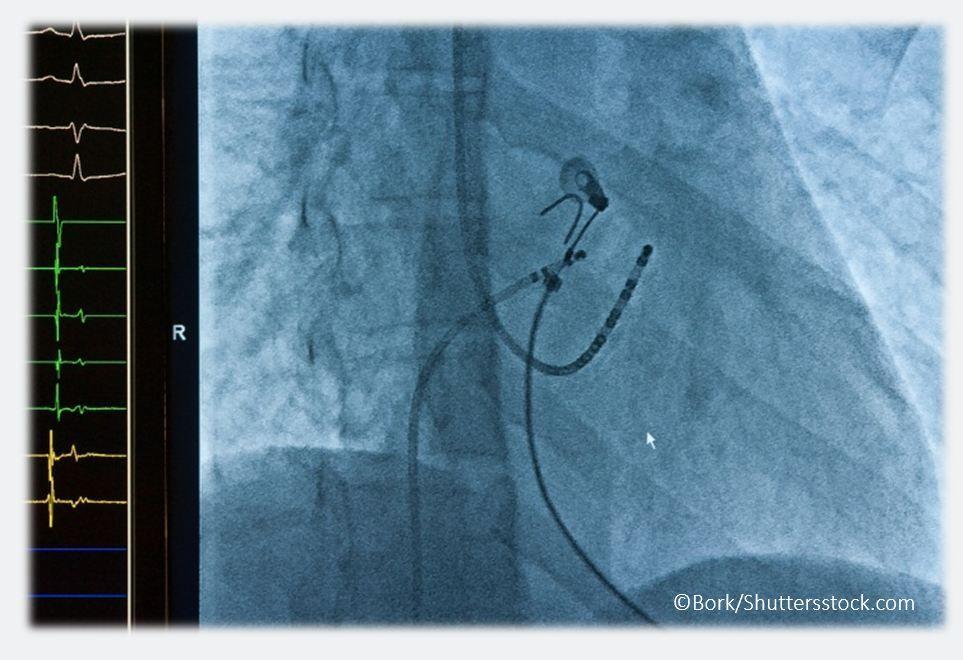
Abbott's Volt PFA System gains FDA approval, offering a new minimally invasive treatment for atrial fibrillation, enhancing patient care options.
December 15th 2025
Phase 3 results showed durable conversion benefits with a favorable safety profile, informing real-world management of acute PSVT outside of emergency settings.
November 24th 2025
Topline data show the factor XIa inhibitor cut ischemic stroke risk without increasing ISTH major bleeding, pointing to a possible new option for secondary prevention.
November 21st 2025
New research reveals that caffeinated coffee significantly reduces the recurrence of atrial fibrillation, challenging long-held medical advice.
November 12th 2025
Research reveals metformin's potential to enhance sinus rhythm stability post-ablation for AF in adults with obesity, independent of weight loss.
Case in Point: Would You Anticoagulate this Patient?
The patient is an elderly man with ESRD on dialysis who goes into atrial fibrillation during fistula declotting. How to proceed?
Afib and Aflutter: Should We Be “Lumpers” or “Splitters”?
Results of a new study may prompt you to rethink how you approach anticoagulation for these 2 arrhythmias. Are they 1 entity, or 2?
Another Reason to Consider NOACs
A new study clears up a lingering question about the novel oral anticoagulants, VKAs, and risk of MI.
Catheter Ablation Effective for AFib in Adults with Congenital Heart Disease
The first study of its kind found ablation strategies used in normal hearts are safe, effective, and yield good results.
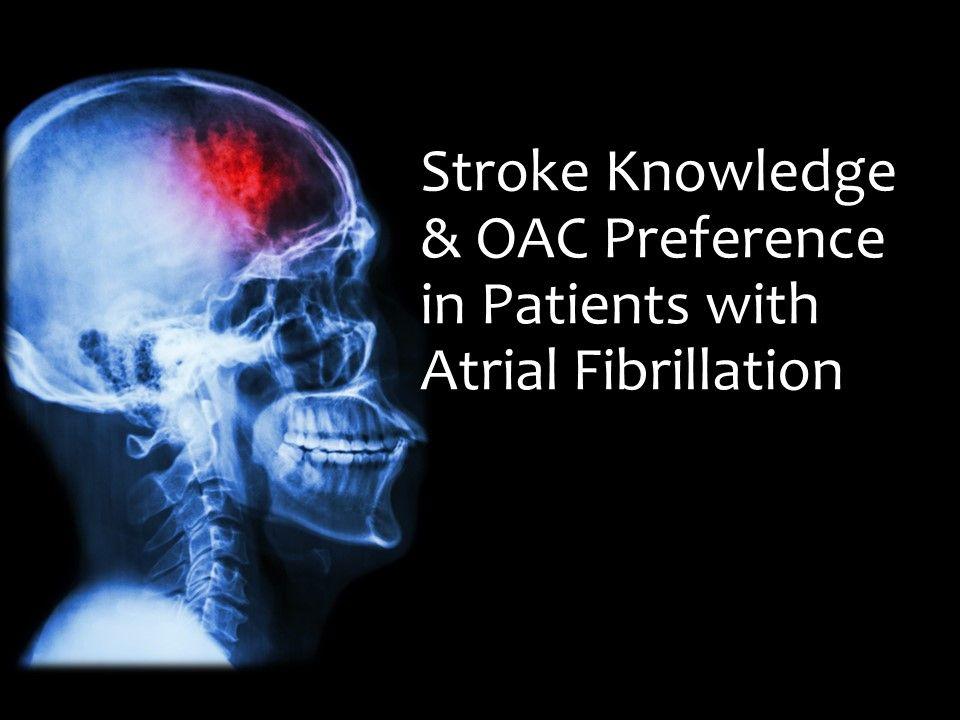
Stroke Knowledge & OAC Preference in Patients with Atrial Fibrillation
Is there a link between stroke knowledge and OAC preferences in patients with AF? According to a new study, yes.
Anticoagulation Brush-up: Q&A with Payal Kohli, MD
Brush up on your oral anticoagulation basics with answers to three key questions we posed to cardiologist and Patient Care board member Payal Kohli, MD.
The CABANA Trial in AF: A Quiz and a Practice Question
Results of the CABANA study (atrial fibrillation) are up for evaluation. How did the trial work and could it change your thoughts on AF treatment?
Antidote for Factor Xa Inhibitors: Approved
And it's very good news for clinicians who routinely recite the pros/cons of direct oral anticoagulation to their patients with atrial fibrillation.
Nuts vs Atrial Fibrillation
Nuts have proven, once again, that they are one of the leading heart-healthy foods.
Post-CABG AF: Not So Benign
Post-procedure AF, once thought to be an artifact of healing, turns out to be a sign of significant risk, a new study finds.
Stroke Prevention in AF: What are Your Options?
The path to reducing risk of stroke in AF patients is far from straight and narrow. A case and 3 questions test your clinical navigation skills.
Anticoagulation Challenge II: The Older Patient
Consider this case of a 92-year-old man who presents with permanent atrial fibrillation and multiple comorbidities. Should he be anticoagulated?
Anticoagulation Challenge: The Post-PCI Patient
A 76-year-old woman with drug eluting stent placed post-STEMI will need an antiplatelet regimen. What would you recommend?
Prophylactic LAA Closure for Stroke Prevention in AF: Is it Really As Good An Idea As We Thought?
Results of the largest study to assess impact of left atrial appendage closure during routine non-AF-related cardiac surgery raise a few new questions.

The Neurohormonal Axis of the Left Atrial Appendage
A small single-center study yields provocative results that may help increase understanding of the importance of the left atrial appendage.
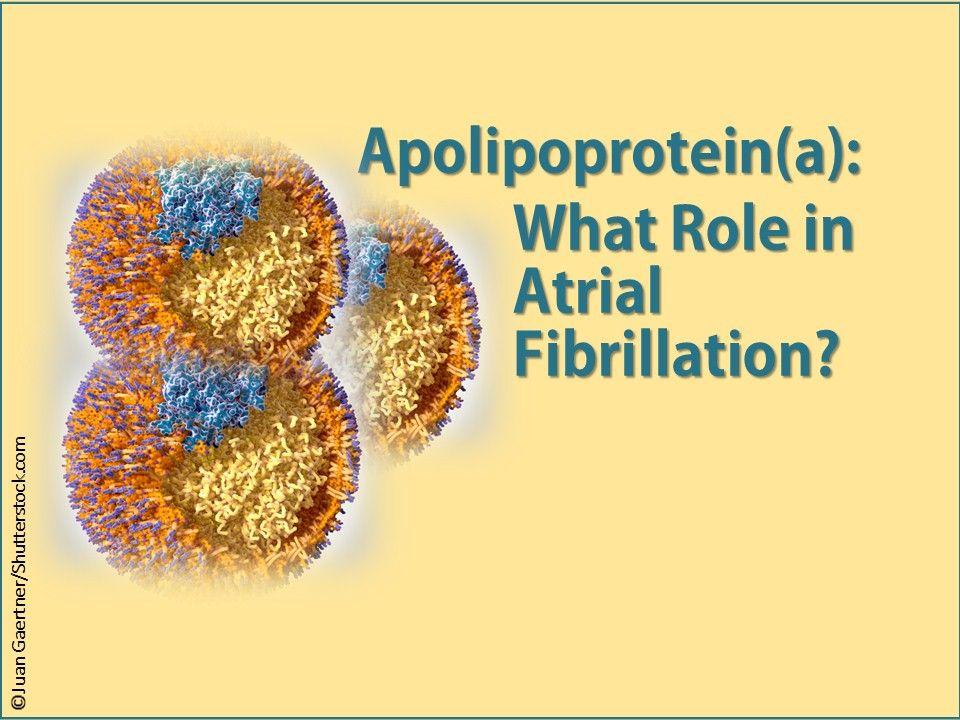
Lipoprotein(a) and Atrial Fibrillation: What Association?
A recent study finds an unexepcted association between the CVD biomarker lipoprotein(a), atrial fibrillation, and stroke.
Top 6 Afib Studies in 2017: Part II
A topline review of 3 more of the top 6 studies of 2017 in afib includes the death of digoxin, go and no-go foods, and afib and ESRD.
Top 6 Afib Studies in 2017: Part I
Cardiologist and Patient Care author Payal Kohli, MD offers snap shots of 6 influential studies that will affect the future of AF diagnosis and treatment.
The New Data on Dabigatran: Are We Reassured or Still Questioning?
Bleeding and "mysterious" sginal for MI seen in RE-LY persist. Message: continue to weigh risk vs benefit.
Oral Anticoagulant Therapy and Renal Dysfunction: A Two-way Street?
Study net-net: Account for kidney function when dosing the direct oral anticoagulants -- but also account for an agent's potential renal harm.
TSH Normal, FT4 Trending Up: What Risk for Afib?
Is this patient, status post motor vehicle accident, at risk for developing atrial fibrillation?
Secondary Afib, ICU-Bed 10: Trigger? Rx?
You're finishing rounds on Friday and are called to the ICU to consult on a case of Afib. The patient is a surprise and the residents have questions. Good luck!
Drug-Drug Interactions with DOACs: Proceed with Caution!
Which drugs taken concurrently with the new oral anticoagulants put patients with Afib at greatest increased risk for major bleeding?
Atrial Fibrillation and Type I Diabetes: What's the Link?
A first-of-its-kind study reports an association between T1DM and AF, and between glycemic control and AF. Plus, there are gender differences.
Should We Refer Symptomatic HF Patients for AF Ablation?
That depends, as suggested by results of the CASTLE-AF study, presented at ESC Congress 2017, in Barcelona, Spain.
AF Screening Leads the Charge in Cardiology's Digital Revolution
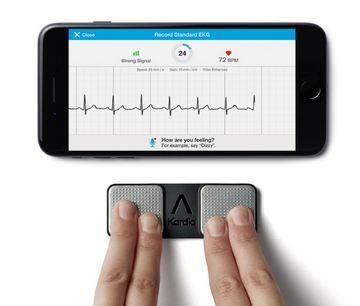
Diagnosis of atrial fibrillation via handheld iECG monitor looks promising but can we pay for it yet?
Could AF Ablation have a "Placebo" Effect?
A small study raises big questions about patients' perceptions of AF symptoms after pulmonary vein ablation. What do you think?
Subclinical Atrial Fibrillation Rears its Head, Again
Increased detection of subclinical atrial fibrillation intensifies a common clinical quandary in AF patients: to anticoagulate, or not?
Atrial Fibrillation Guidelines 3-Question Quiz
Rhythm vs rate control and which medication(s) for which patients, when, and why? Test yourself.
Smartphone Screening for Atrial Fibrillation
Medicine is finally catching up with the smartphone/smartwatch era – and it’s about time!