December 22nd 2025
Abbott's Volt PFA System gains FDA approval, offering a new minimally invasive treatment for atrial fibrillation, enhancing patient care options.
December 15th 2025
Phase 3 results showed durable conversion benefits with a favorable safety profile, informing real-world management of acute PSVT outside of emergency settings.
November 24th 2025
Topline data show the factor XIa inhibitor cut ischemic stroke risk without increasing ISTH major bleeding, pointing to a possible new option for secondary prevention.
November 21st 2025
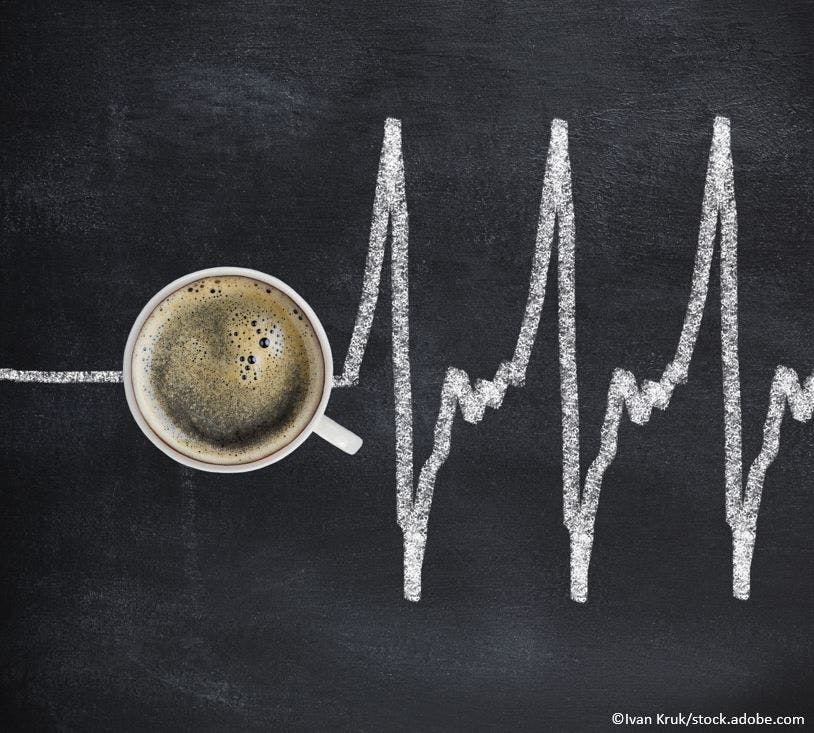
New research reveals that caffeinated coffee significantly reduces the recurrence of atrial fibrillation, challenging long-held medical advice.
November 12th 2025
Research reveals metformin's potential to enhance sinus rhythm stability post-ablation for AF in adults with obesity, independent of weight loss.
Dabigatran and Warfarin Appear Similarly Protective Against Dementia
Patients taking either of the 2 anticoagulants showed no large differences on 4 cognitive test scores at 2 years, according to authors of the GIRAF trial.
AHA 2021: Novel Fitbit Algorithm Correctly Detected Undiagnosed Atrial Fibrillation
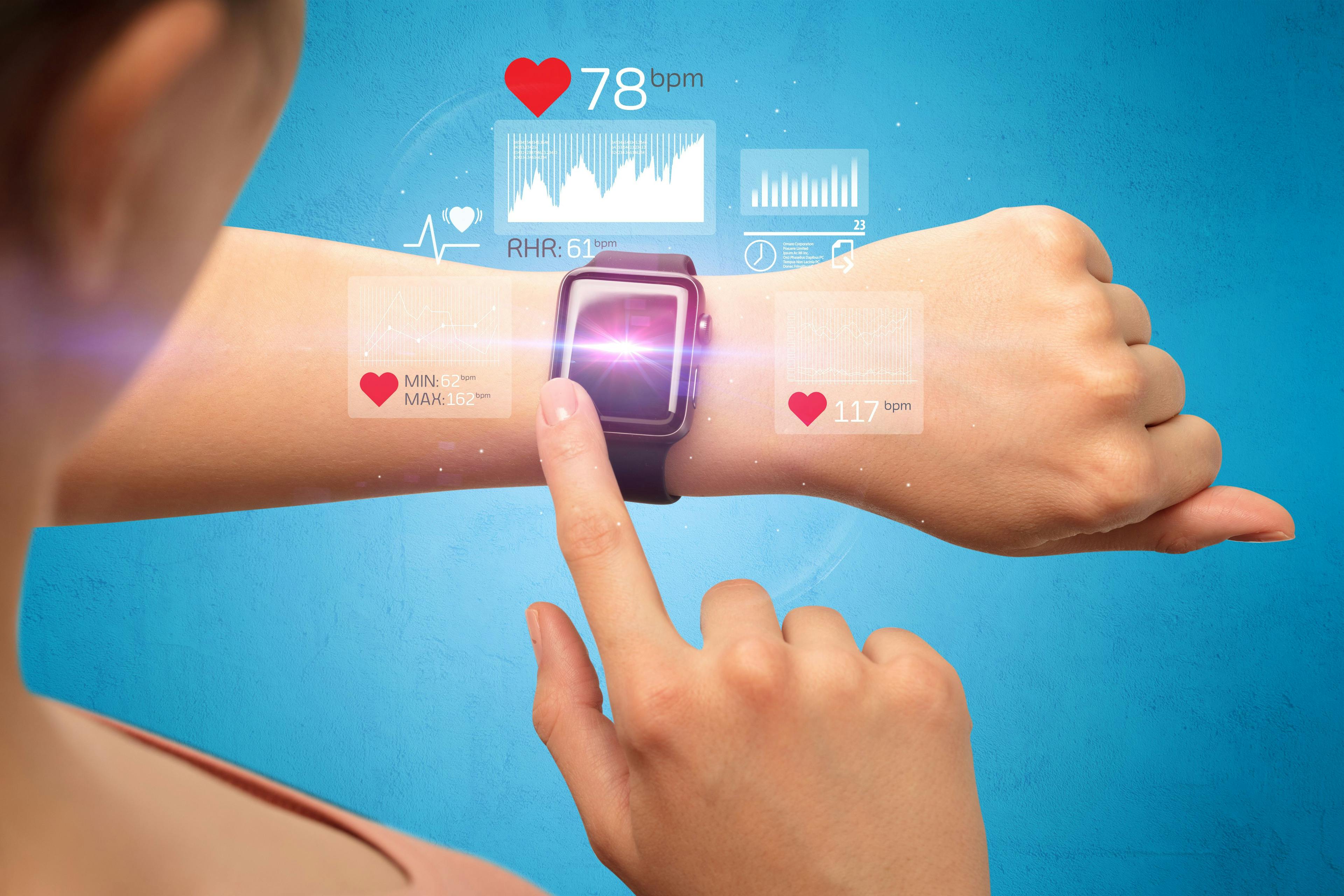
AHA 2021: Novel software algorithm used in Fitbit wearable devices accurately detected undiagnosed atrial fibrillation about 98% of the time, showed results of the Fitbit Heart Study.
Coffee Had Negligible Effect on Atrial Arrhythmias but Was Linked to PVCs, Study Finds
AHA 2021. Coffee increased PVCs by 54% in regular coffee drinkers and decreased sleep by more than 30 minutes; it also significantly increased daily step count and slightly improved SVT.
One in Ten Patients with Atrial Fibrillation Fail to Fill Initial DOAC Prescription
Primary nonadherence with anticoagulant therapy may be influenced by which DOAC is prescribed, age, and diagnosis of several chronic diseases, a new study found.
Atrial Fibrillation Detected by ICD Linked to Ischemic Stroke within 5 Days
The temporal connection of atrial fibrillation and risk of ischemic stroke provides support for short-duration oral anticoagulation, said study authors.
New Study Casts More Doubt on Negative Link Between Coffee Intake and Risk of Arrhythmia
Regular coffee consumption was associated with a 3% lower risk of incident arrhythmia, a large study of UK adults found.
ACC.21: Finerenone Shows Potential to Delay Afib Onset in Patients with CKD, T2D
ACC.2021: A new analysis of FIDELIO-DKD found patients with chronic kidney disease and type 2 diabetes were about 30% less likely to develop atrial fibrillation vs those treated with placebo.
ACP: DOAC Dos and Don'ts Primer with Stephan Moll, MD
ACP 2021: Dr Stephan Moll covers the basics of DOAC duration for VTE, use of anticoagulation in special populations, and perioperative use of DOACs
Cannabis Use may be Deadly in Persons with Arrhythmias, Study Suggests
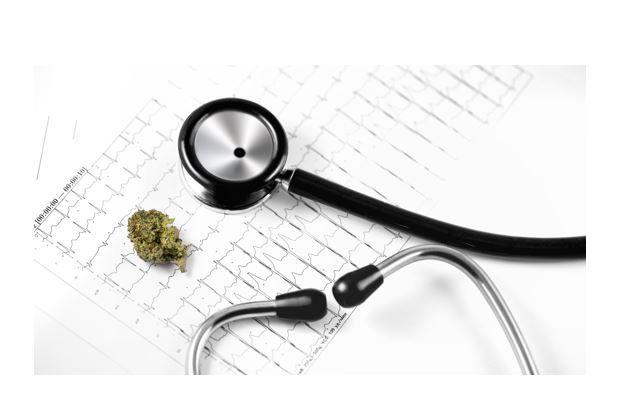
Among more than 2 million Americans admitted to the hospital for cannabis use, those with a cardiac arrhythmia were more than 4 times more likely to die while hospitalized than those without.
Smartphone-based ECG Screening Detects More Atrial Fibrillation than Usual Care in American Indian Adults
A new study found that mobile-based ECG screening for AF could improve health outcomes among American Indian adults who have historically endured greater health disparities.
Aspirin without Indication Added to DOAC Therapy Ups Risk for Bleeding
Study authors warn that ASA added to a medication regimen may be unintentional and call on clinicians to assess patients on DOACs for concomitant ASA and deprescribe.
SGLT2 Inhibitor Therapy May Reduce Risk of Atrial Arrhythmias in T2D
A recent meta-analysis suggests some sodium glucose cotransporter-2 inhibitor agents may protect against atrial and ventricular arrhythmias as well as sudden cardiac death in type 2 diabetes patients.
Study: One Alcoholic Drink a Day Linked to Increased Risk of Atrial Fibrillation
People who regularly consume just 1 alcoholic drink a day are at a 16% increased risk of atrial fibrillation compared to those who do not drink alcohol at all, a new study found.
Omega-3s, Vitamin D Fail to Prevent Incident Atrial Fibrillation
AHA 2020: Daily supplementation with 2000 IU of vitamin D3/day and/or 840 mg omega-3 fatty acids/day did not reduce or increase risk of incident atrial fibrillation.
PREVIEW of AHA 2020 Scientific Sessions: Late-breaking Science, Days 4 and 5
Preview days 4 and 5 of the American Heart Association 2020 live late-breaking science sessions. Decide what you need to watch and when.
AHA 2020 Scientific Sessions Preview: Late-breaking Science, Days 1, 2 and 3
What to watch during the AHA 2020 late-breaking science sessions? We break down the first 3 days of clinical trial presentations for you, here.
Seen in the ED Quiz: Biceps Pain and Afib
Patient is a 70-year-old woman who presents with biceps pain for 3 days. History includes atrial fibrillation. What's your diagnosis?
Novel Study Shows Decline in Atrial Fibrillation Deaths, but More Work Needed
Deaths associated with atrial fibrillation have decreased, but it still takes an average of 2 years off a patient's life, according to a first-of-its-kind study.
DOACs Go Head-to-Head on Safety, Efficacy in US Cohort Study
Safety and efficacy of apixaban bested rivaroxaban in analysis of new users from a US nationwide commercial healthcare claims database.
Endurance Training and Atrial Fibrillation: Sex Matters
A large Swedish cohort study suggests that when it come to risk of atrial fibrillation, there are differences in the way women and men respond to endurance training.
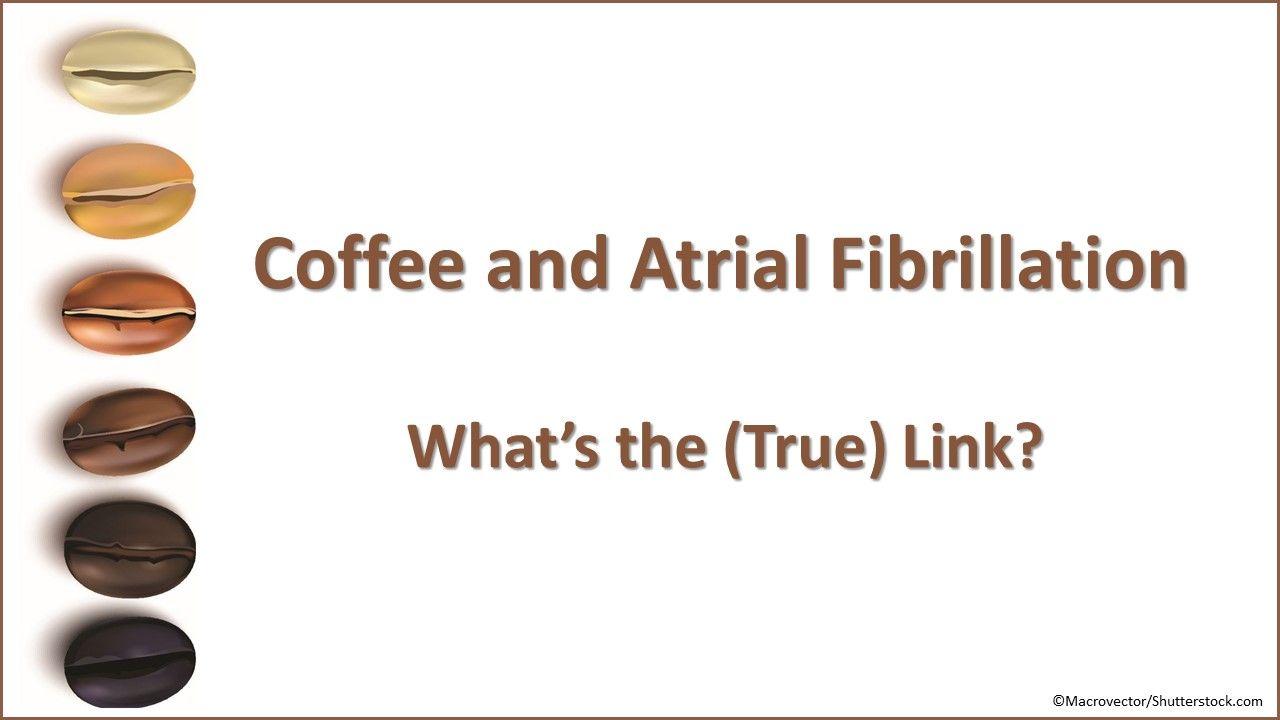
Coffee and Atrial Fibrillation: What's the (True) Link?
A new study finds that higher caffeine intake may decrease the risk of patients developing new onset atrial fibrillation.
Afib 2019 Guidelines Update: 5 Questions for Primary Care
Evidence-based revisions to the AHA/ACC/HRS guidelines will affect management of your patients with atrial fibrillation. Do you know how? Find out with a quick quiz.
Top 3 Atrial Fibrillation Studies in 2018
Andexxa, CABANA, and new AF score. Cardiologist and Patient Care author Payal Kohli, MD, highlights 3 pivotal developments from 2018.
EHR Alert Fatigue: An Anticoagulation Example
From "Danger of sepsis" to "Birthday today," the EHR covers it all. Will a popup on prescribing anticoagulation catch on?
Athletes and Atrial Fibrillation: No Longer Synonymous?
A 20-year observational study of nearly 7000 elite athletes found only 0.3% developed atrial fibrillation. Is it time to think differently?
The Opioid Epidemic and AF
Use of opioids in therapeutic doses in a large population of young veterans was linked to new-onset atrial fibrillation in a study reported at the AHA Scientific Sessions 2018.
Stroke Rate Variability in Afib: Much Higher than We Thought!
A new study reveals the notable impact of the variation in published stroke rates on the net clinical benefit of anticoagulation in atrial fibrillation.
New Afib Scoring System: Is it New or Just Different?
The popular CHA2DS2-Vasc stroke risk calculator has its detractors. But will a newly proposed scoring system have a significant clinical impact?
Ablation Complications: Proceed with Caution
Right atrial ablation for atrial flutter is associated with a surprisingly high rate of serious, sometimes fatal, complications. News from ESC 2018.
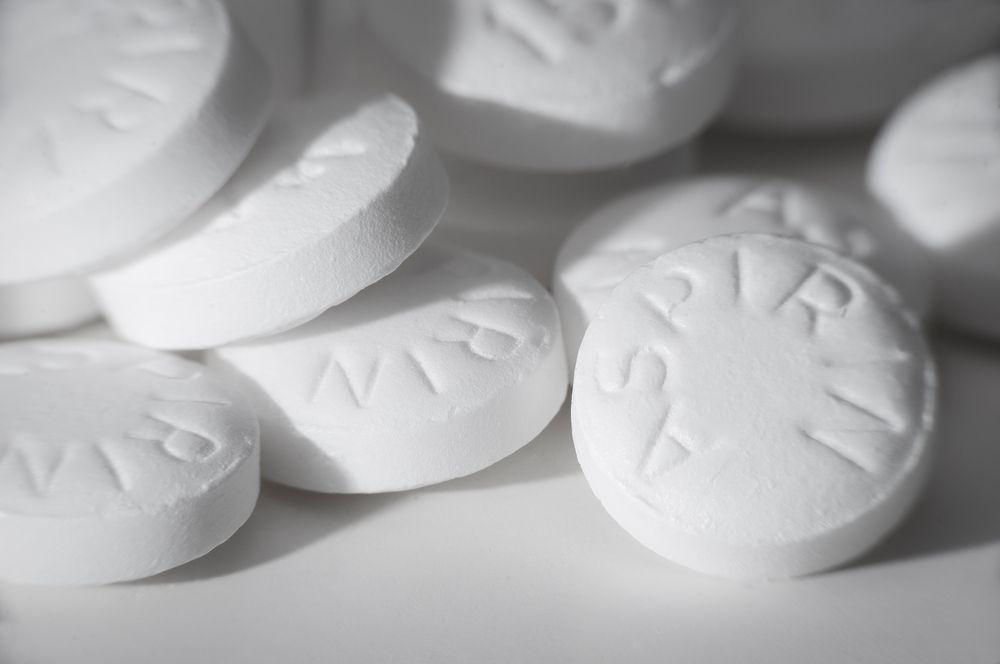
ARRIVE, ASCEND and the Future of Aspirin
The future role of aspirin in primary prevention of cardiovascular disease is unclear, and not for lack of scrutiny at ESC 2018.