December 22nd 2025
Abbott's Volt PFA System gains FDA approval, offering a new minimally invasive treatment for atrial fibrillation, enhancing patient care options.
December 15th 2025
Phase 3 results showed durable conversion benefits with a favorable safety profile, informing real-world management of acute PSVT outside of emergency settings.
November 24th 2025
Topline data show the factor XIa inhibitor cut ischemic stroke risk without increasing ISTH major bleeding, pointing to a possible new option for secondary prevention.
November 21st 2025
New research reveals that caffeinated coffee significantly reduces the recurrence of atrial fibrillation, challenging long-held medical advice.
November 12th 2025
Research reveals metformin's potential to enhance sinus rhythm stability post-ablation for AF in adults with obesity, independent of weight loss.
Oral Anticoagulation: Would You Recognize a Candidate?
What does the patient with atrial fibrillation who would benefit from oral anticoagulation look like today? Q & A, here.
Weight Loss Improves Atrial Fibrillation, Cardiometabolic Profile
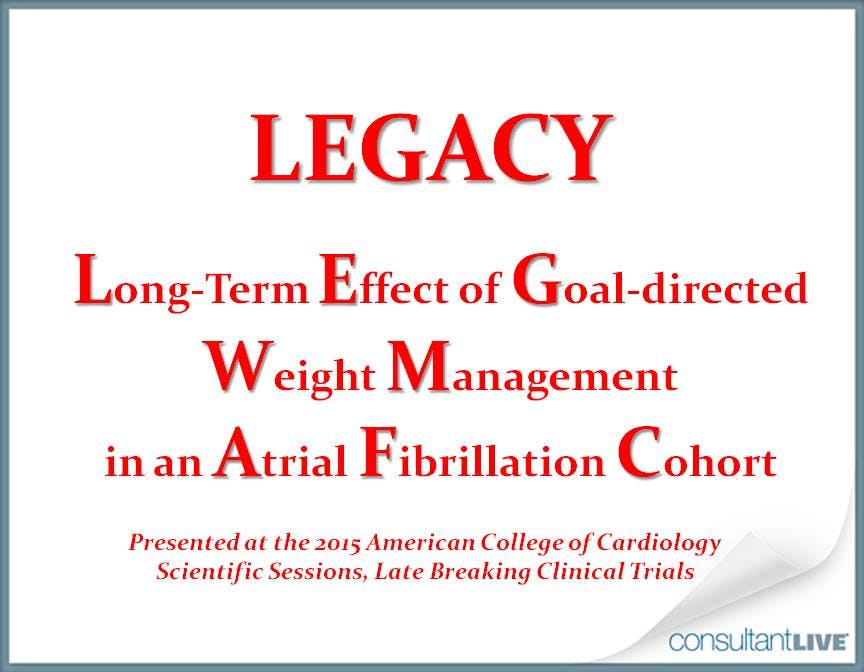
Results of the LEGACY study show long-term weight loss decreases AF burden and supports sustained sinus rhythm. A short slide show summarizes the 2015 ACC late-breaking abstract.
Atrial Fibrillation: More Than an Electrical Problem
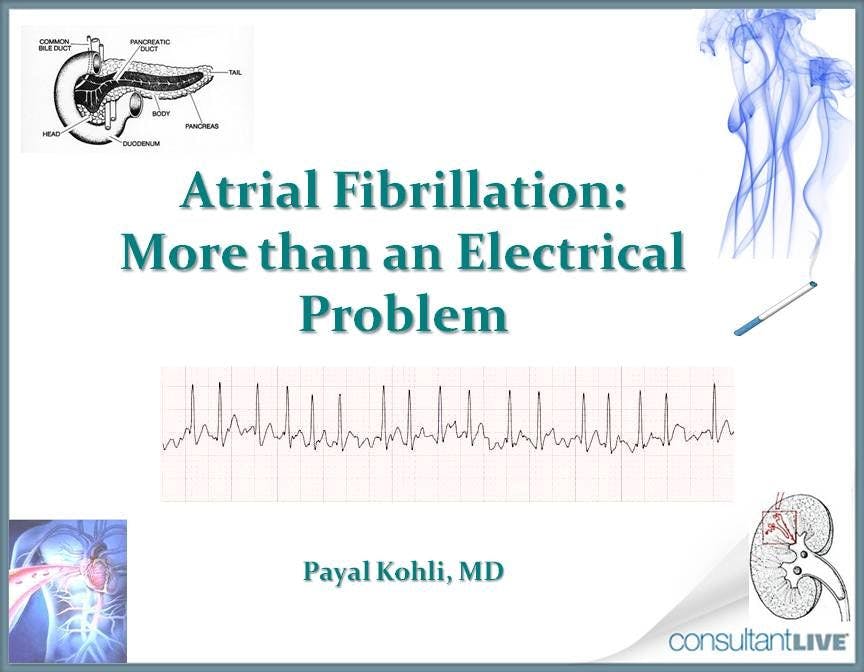
A small study highlights a big point: manage risk factors that affect the atrial fibrillation substrate and ablation therapy success rates improve (ARREST-AF Cohort Study).
Primary Care Quiz: CHA2DS2-VASc Stroke Risk Calculator
What is your command of the components of this risk prediction tool for patients with atrial fibrillation? Find out with our 4-question quiz.
Game Change in the World of Atrial Fibrillation
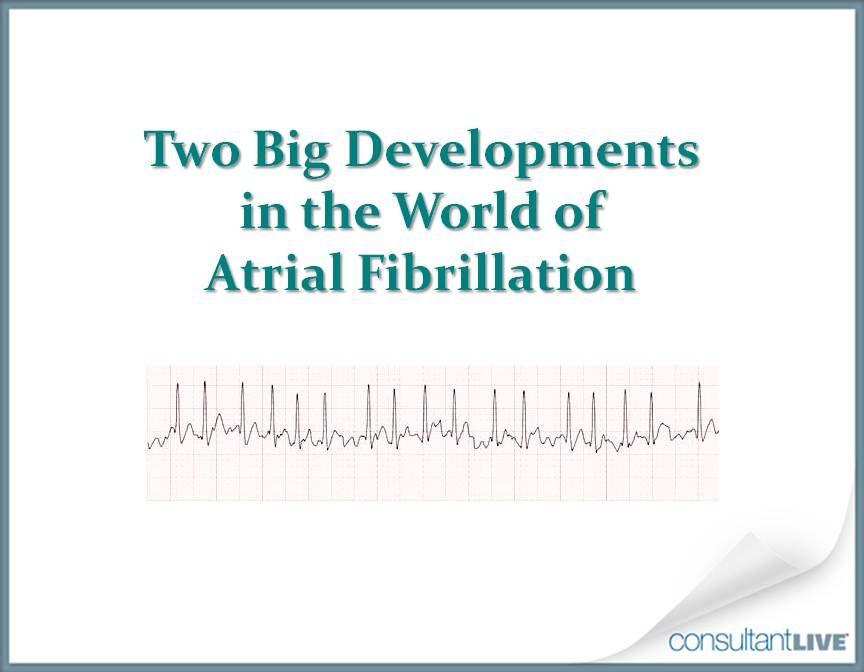
The absence of an antidote may soon disappear as a reason to avoid prescribing a novel oral anticoagulant to patients with atrial fibrillation, based on promising phase III trial results.
Top 5 Things to Remember About Rhythm Control in AF
When is a rhythm control strategy appropriate? Which patients are candidates for amiodarone? When is AF ablation the answer? Here, a top-line review of rhythm control for atrial fibrillation.
Dabigatran Increases “Real-World” Bleeding
The risk for major bleeding and GI hemorrhage in patients taking dabigatran was greater than in those taking warfarin; warfarin, however, was associated with a greater risk of intracranial hemorrhage.
Amiodarone-warfarin Interaction Ups Risk in ARISTOTLE Patients
In analysis of this randomized controlled trial of apixaban vs warfarin for nonvalvular atrial fibrillation, there was an increased risk of stroke and systemic embolism among patients taking amiodarone and warfarin.
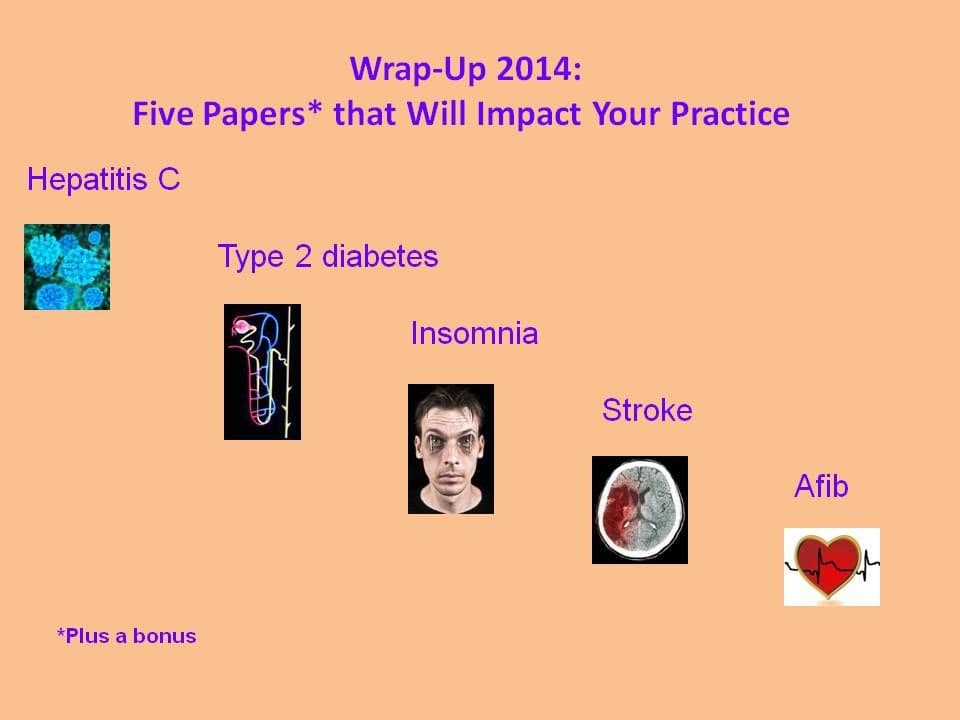
Five Top Papers From 2014 That Will Impact Your Practice
New drugs that treat stubborn illness seen often in primary care lead this group of Top 5 Papers for 2014. Type 2 diabetes, cryptogenic stroke, and hep-C are key targets.
Atrial Fibrillation Video: Symptoms, Cardioversion Strategies
A nurse describes his own bout with atrial fibrillation-the symptoms and his attempts to cardiovert to normal rhythm-from his hospital bed.
Trends in Atrial Fibrillation Therapy: 2002 to 2011
Overall it looks as though pharmacologic rate control is still the preferred therapy for new onset AF, but a new study identifies some interesting trends in the use of drugs for both rhythm and rate.
Atrial Fibrillation Characteristics Linked to Dementia
Atrial fibrillation and dementia have long been linked, partly because both tend to affect the elderly. But there may be a causal link as well related to management of anticoagulation.
Fish Oils Fail to Impact Endpoints in AF
The recent AFFORD trial suggests no clinical role for omega-3 fatty acids in preventing atrial fibrillation or in modulating disease markers.
iECG May Prove Cost-Effective for Screening Occult Atrial Fibrillation
A new study finds that iPhone-based technology deployed in local pharmacies can detect asymptomatic atrial fibrillation. iECG anyone?
Cerebral Microbleeds in Atrial Fibrillation Portend Poor Prognosis
Results of a recent study suggest the presence or absence of CMBs may help refine risk prognostication in patients with AF.
Community-Wide Screening for AF Reduces Stroke
The cost vs the benefit of community screening for disease is often hotly debated. A new study suggests that detection and treatment of asymptomatic AF may be worth that effort.
Perioperative AF: Not as Innocuous as It Seems
Lone atrial fibrillation describes isolated episodes of AF that have been previously considered benign. A revised picture is emerging, according to a new study.
Beware Use of Foxglove in New-Onset Atrial Fibrillation
A very large observational study heightens concern around use of digoxin in the treatment of newly diagnosed atrial fibrillation, despite guideline recommendations.
Exercise Lowers Risk of AF in Older, Obese Women
A new study identifies obesity and inactivity as independent risk factors for atrial fibrillation in postmenopausal women. Exercise attenuated the risk in the study cohort.
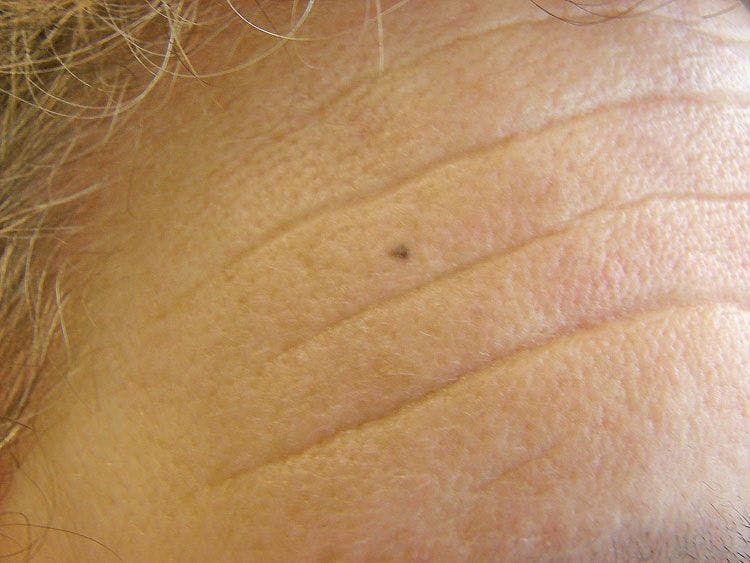
Small Dark Spot on Forehead
A new dark spot on the forehead; overprescribing of benzodiazepines; alcohol and atrial fibrillation . . . can you answer the quiz questions on these topics?
Alcohol Intake and Atrial Fibrillation: Even Moderation Is Risky
A very large Swedish study and meta-analysis found a dose-response relationship between incident atrial fibrillation and alcohol, with an approximate 8% increase in risk for the arrhythmia per daily drink consumed.
Biomarkers May Enhance Risk Stratification in AF, Studies Show
High-sensitivity troponin T and N-terminal-pro-BNP were shown in 2 important studies to help predict risk of stroke and embolic events in patients with atrial fibrillation.
Screening for AF: Patient Detection of Radial Arterial Pulse
In a proof-of-principle study, German researchers evaluated an affordable, accessible, and cost-effective way to help diagnose atrial fibrillation after ischemic stroke, with promising results.
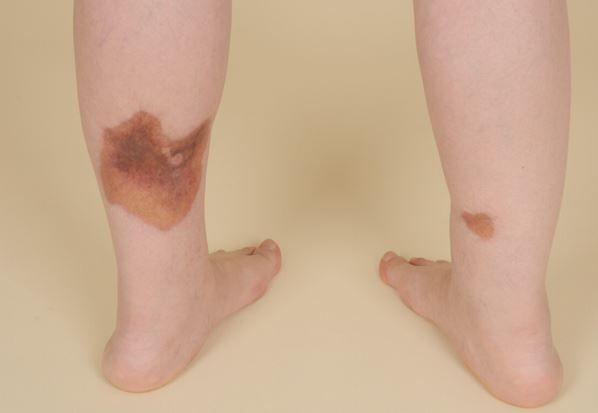
Do Brown Plaques Point to a Diabetic Disorder?
Put yourself to the test: This week’s quiz questions you about skin disease, diabetes, sarcoidosis, atrial flutter, and pain medications.
Apixaban Most Cost-Effective of New Oral Anticoagulants
A recent study found the lower cost to be the result of fewer episodes of major bleeding in patients treated with apixaban.
Efficacy, Safety of Edoxaban by AF Subtype: An Analysis From ENGAGE AF-TIMI 48
Post hoc analysis of the ENGAGE AF-TIMI 48 study looked at safety and efficacy of a novel oral anticoagulant in distinct groups with paroxysmal, persistent, or permanent atrial fibrillation.
Ablation for Atrial Flutter: Treats the Arrhythmia but Not the Stroke Risk
A new study finds that ablation for atrial flutter reduces hospital-based costs, symptoms, and risk of atrial fibrillation. For stroke risk? Continue anticoagulation.
On Calciphylaxis, and Ichthyosis
. . . . And then there’s lipoprotein(a), a diagnostic puzzle that involves acute abdominal pain and a CT scan in a woman with a complicated medical history, and skin lesions that look like coins. 5 questions in all. . . .
Bisphosphonates Increase Risk of Incident AF
A meta-analysis shows both IV and oral formulations pose a risk of arrhythmia, the former more so than the latter. But these are very effective drugs. What next?
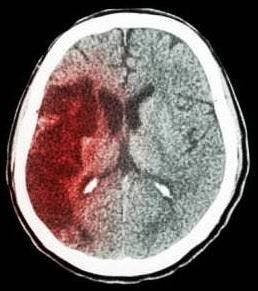
Cryptogenic Stroke: Is Occult Arrhythmia a Factor?
Results from the CRYSTAL-AF study find that nearly one-third of patients who experience cryptogenic stroke may have undetected atrial fibrillation.