December 19th 2025
Your daily dose of the clinical news you may have missed.
December 15th 2025
The mobile-based program targets cognitive processes underlying attention and is intended for use alongside medication, therapy, or education.
Missed endpoints in midstage tau trials are reshaping the Alzheimer pipeline, with growing focus on inflammatory and vascular pathways. Review them here.
December 12th 2025
A population-based study finds stimulant prescribing accelerated after 2020, with the largest increases among adults and women.
A new review examines whether neuromodulation techniques may help address excessive daytime sleepiness across neurologic and psychiatric conditions.
Real-World Memory Clinic Data Suggest Lecanemab Use Is Feasible, Practical for Adults with Alzheimer Disease
Adults with early AD who were treated with lecanemab in a specialty memory clinic experienced adverse events comparable to those seen in clinical trials.
FDA Clears First Plasma-Based Assay to Aid Alzheimer Disease Diagnosis
The diagnostic is designed to help clinicians determine the likelihood of cerebral β-amyloid plaque deposition, one of the neuropathologic hallmarks of AD.
Rising Lp(a) Levels Increase Risk of Subsequent CVD Events in Adults with ASCVD, According to Large Real-World Study
Any increase in lipoprotein(a) levels was linked to increased risk of myocardial infarction and stroke; women and Black adults are most likely to be affected.
Physician Survey: Assessing Cognitive Decline in Primary Care
Primary care clinicians are on the frontline of detecting early cognitive decline. Help us understand your challenges by taking this short survey.
Study Finds 40% of Research Participants Decline to Learn Results of Alzheimer Disease Biomarker Testing
The new findings are contrary to previous research that found family history of AD increases desire for testing and support the "right not to know."
FDA Approves STS101 (Dihydroergotamine) Nasal Powder for Acute Treatment of Migraine
The only approved DHE nasal powder addresses persistent limitations of existing DHE formulations, including liquid nasal sprays and injectables, Satsuma stated.
Signs of Alzheimer Disease vs Age-Related Changes
Occasional trouble finding a word reflects typical age-related brain changes; the changes that cause a person to refer to a watch as a "hand clock" are not the same.
Alzheimer Disease in 2025: American Perspectives
US adults want to know early on if they have Alzheimer disease, when treatment may slow it, and they are willing to participate in trials of new drugs.
Amyloid and Tau Biomarkers of Alzheimer Disease Found in Individuals with Other Dementias
Biomarkers in a pattern characteristic of Alzheimer pathology were identified in unspecified dementia, Parkinson dementia, and frontotemporal dementia.
Switching Anti-CGRP Monoclonal Antibody Therapy in Nonresponders with Migraine May Reduce Monthly Headache Days
Subgroup analyses found no significant difference in efficacy based on change in therapeutic action (ie, CGRP vs its receptor), doses, or intertreatment interval.
Metabolic Syndrome Linked to Risk of Young Onset Dementia
Authors found a dose-response relationship between MetS and dementia onset in the 4th decade; in those with all 5 components, risk of dementia was increased by 77%.
Early Menopause Was Associated with Increased Risk of Cognitive Decline, Depression within 2 Years
The findings suggest that women who experience early menopause (age <40 vs >50 years) may constitute a sex-specific high-risk group for cognitive decline.
One in Three Cases of Dementia May be Attributable to Hearing Loss: Population-Based Study
Interventions to protect or improve auditory health across the lifespan could be a cost-effective means of slowing the rapid rise of dementia in the US, authors wrote.
FDA Grants First-in-Class Marketing Authorization for Digital Therapeutic in Episodic Migraine Prevention
CT-132 is a 12-week app-based intervention that uses validated behavioral techniques to modulate labile brain circuitry involved in migraine, according to Click Therapeutics.
Emergency Care for Cannabis Use Associated with Increased Risk for Dementia in Adults: Canadian Population Study
Adults with a cannabis-related acute care visit or hospitalization were at 23% and 72% greater risk of a new dementia diagnosis within 5 years, a new study finds.
Matthew Press, MD: How Penn Medicine’s CoCM Model Helps PCPs Treat Mental Health—and Avoid Burnout
ACP 2025: Dr Press discusses how the Penn Integrated Care model equips primary care physicians to manage mental health conditions more effectively while reducing burnout.
Gantenerumab May Delay Alzheimer Disease Symptoms in High-Risk Adults: Daily Dose
Eisai Presents Real-World Lecanemab Data at AD/PD 2025 Confirming Phase 3 Clinical Trial Findings
In addition to support for phase 3 CLARITY AD findings, new evidence was presented supporting lecanemab safety and efficacy in ApoE ε4 carriers and non-carriers.
Trontinemab: Roche Announces Phase 3 Development Program for the mAb in Adults with Early Alzheimer Disease
Using the proprietary Roche Brainshuttle technology, trontinemab leads to deep, rapid amyloid plaque reduction with a favorable safety profile.
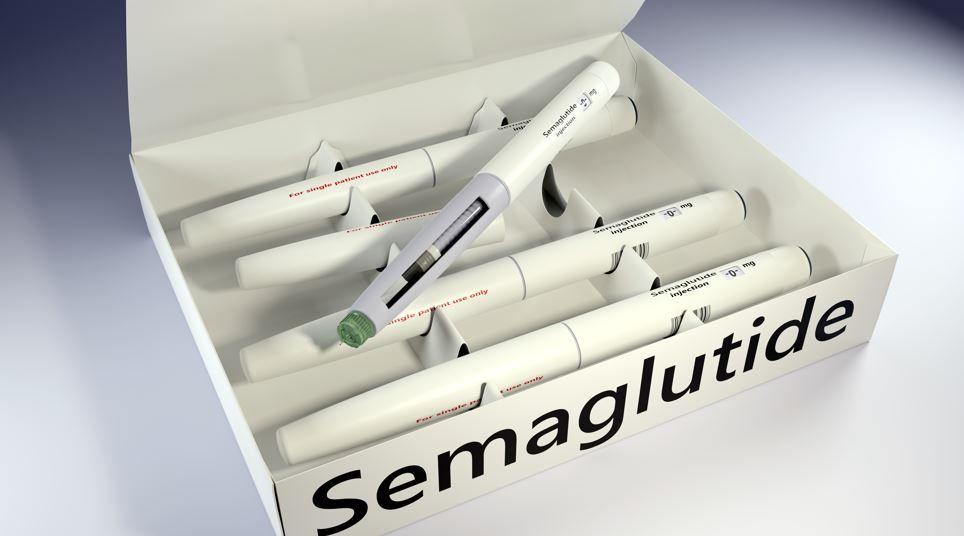
ACC 2025: Cardiovascular Benefits of Semaglutide 2.4 mg Highlighted in Real-World Study
Semaglutide 2.4 mg significantly lowered the risk of MACE and mortality in patients with ASCVD and overweight or obesity but without diabetes, researchers reported.
For Sleep Disturbance in Alzheimer Disease, Cannabinoid-Based IGC-AD1 Shines in Phase 2
Better CV Health Tied to Lower Neurodegeneration Risk: Daily Dose
Long COVID's Long Road: A Year 5 Update with Noah Greenspan DPT, PT, CCS, EMT-B
Five years after the COVID-19 pandemic was declared, the protean syndrome dubbed long COVID continues to affect millions; Greenspan is dedicated to helping.
Eisai Will Highlight Real-World Experience Data with Lecanemab at 2025 American Academy of Neurology Meeting
Data on use of lecanemab in real world clinical settings will come from a neurologic case series review and a retrospective chart review of long-term use, both in early AD.
Initial Treatment with Dual Statin + Ezetimibe Cuts All-Cause Mortality by 50%: New Meta-Analysis
The reductions observed in all-cause mortality (49%) and MACE (39%) in high-risk patients compared with statin monotherapy could be practice changing, researchers said.
Marijuana Use Tied to Increased Risk for Myocardial Infarction in People Aged 50 Years and Younger
Cannabis users had a more than sixfold increased risk of MI compared to non-users, according to a new study.
Early Amyloid Plaque Removal May Delay Alzheimer Disease Onset, A First-of-Its-Kind Study Suggests
In a small study of adults genetically predisposed to early-onset dementia, anti-amyloid treatment to remove plaque reduced risk of developing symptoms by 50%.
Misdiagnosis of Migraine Drives Unnecessary Use of Health Care Resources
A new study compared health care utilization and costs between adults initially misdiagnosed followed by a correct diagnosis of migraine and those whose first diagnosis was accurate.
FDA Submission Planned for Nonopioid Cebranopadol Following Positive Phase 3 Results: Tris Pharma Update
Positive findings for postsurgical acute pain relief from the pivotal phase 3 ALLEVIATE-2 trial complete the development program, allowing plans for NDA submission.
Cardiovascular Health Maintained Over Time Linked to Reduced Risk of Neurodegenerative Disease, Study Suggests
Higher levels of cardiovascular health were associated with lower levels of neurofilament light chain across age, sex, race/ethnicity, and Alzheimer disease risk.