- Clinical Technology
- Adult Immunization
- Hepatology
- Pediatric Immunization
- Screening
- Psychiatry
- Allergy
- Women's Health
- Cardiology
- Pediatrics
- Dermatology
- Endocrinology
- Pain Management
- Gastroenterology
- Infectious Disease
- Obesity Medicine
- Rheumatology
- Nephrology
- Neurology
- Pulmonology
Opportunities and Limits of Neuromodulation for Excessive Daytime Sleepiness: Highlights of a Narrative Review
A new review examines whether neuromodulation techniques may help address excessive daytime sleepiness across neurologic and psychiatric conditions.
Excessive daytime sleepiness (EDS) affects a substantial proportion of adults worldwide and is associated with impaired cognitive performance, reduced daily functioning, and increased risk of accidents. Yet for many patients, symptoms persist despite treatment of underlying sleep disorders or comorbid conditions, highlighting ongoing gaps in management, according to the authors of a new narrative review published in Frontiers in Psychiatry.1


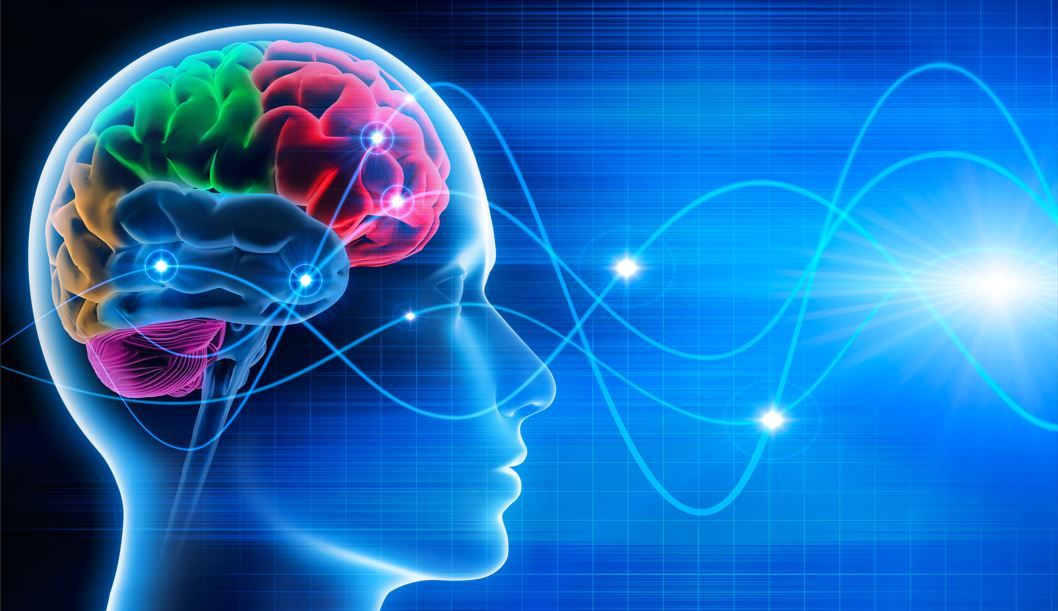
©peterschreiber.media/stock.adobe.com
Correspodngin author Zhe Li, a doctoral candidate at Suzhou Guangji Hospital, in Suzhou, China and colleagues examine whether neuromodulation, an approach that alters neural activity through targeted electrical or magnetic stimulation, may represent a potential adjunctive strategy for addressing EDS. Drawing on studies across neurologic, psychiatric, and medical populations, the authors describe modest improvements in daytime sleepiness associated with several neuromodulation techniques, while emphasizing the early and heterogeneous nature of the evidence.1
A Complex Clinical Phenomenon
According to the review, EDS represents a complex clinical phenomenon rather than a single disease entity. Epidemiologic studies suggest that more than 20% of adults report excessive daytime sleepiness, but the symptom arises from a wide range of contributors, including insufficient sleep, obstructive sleep apnea, central hypersomnolence, circadian rhythm disorders, medication effects, psychiatric illness, and neurologic disease.2,3
The authors note that this heterogeneity complicates both diagnosis and treatment. Even when an underlying condition is identified and managed, daytime sleepiness may persist, suggesting involvement of broader arousal-related neural networks.4 Against this backdrop, neuromodulation has attracted interest as a way to directly influence brain activity implicated in wakefulness and alertness.
Noninvasive Tehcniques
The review focuses primarily on noninvasive neuromodulation techniques, including transcranial direct current stimulation (tDCS), transcranial alternating current stimulation (tACS), and repetitive transcranial magnetic stimulation (rTMS). These approaches typically target cortical regions such as the dorsolateral prefrontal cortex or parietal cortex, areas involved in attention and executive function.1
Across studies, noninvasive neuromodulation appeared to produce a net increase in cortical arousal, reflected by shifts toward faster-frequency neural activity. In several small trials, this physiological effect was associated with reductions in subjective daytime sleepiness.
Even when an underlying condition is identified and managed, daytime sleepiness may persist, suggesting involvement of broader arousal-related neural networks.
Neurologic conditions. Li et al reported evidence across multiple clinical populations. In neurologic conditions such as Parkinson’s disease and multiple sclerosis, some studies observed improvements in sleepiness following noninvasive stimulation, although results varied. In epilepsy, vagus nerve stimulation showed potential benefits for EDS in selected patients, particularly those with comorbid narcolepsy, though effects appeared sensitive to stimulation parameters.
Psychiatric conditions. Psychiatric populations accounted for a sizable portion of the literature. In patients with depression or bipolar disorder, tDCS and rTMS were associated with improvements in hypersomnia and sleep quality in several studies. Notably, the authors describe instances in which sleep-related benefits appeared independent of improvements in mood symptoms, raising the possibility of direct effects on sleep–wake regulation.
Small trials in substance use disorders also reported short-term reductions in sleepiness following prefrontal stimulation. However, these benefits were often not sustained at follow-up.
Invasive and Emerging Approaches
The review also addresses invasive neuromodulation, including deep brain stimulation (DBS) and vagus nerve stimulation (VNS). In Parkinson’s disease, DBS has been associated with improvements in sleep–wake disturbances, potentially through indirect effects such as improved nocturnal motor symptoms or reduced medication burden. However, Li and colleagues reported mixed findings across studies, and invasive techniques are not indicated specifically for the treatment of EDS.1
The authors describe instances in which sleep-related benefits appeared independent of improvements in mood symptoms, raising the possibility of direct effects on sleep–wake regulation.
The authors discussed emerging approaches, such as electrical vestibular stimulation and temporal interference stimulation, as areas of future investigation. While these techniques have demonstrated effects on sleep or related outcomes in early studies, direct evidence for their impact on EDS remains limited.
Existing Evidence Remains Limited
Throughout the review, Li and colleagues emphasize the constraints of the existing evidence base. Most studies included small sample sizes, short follow-up periods, and heterogeneous stimulation protocols. Outcome measures varied widely, with many studies relying on self-reported sleepiness scales rather than objective assessments.
In addition, stimulation parameters, including target regions, intensity, frequency, and duration, differed substantially across trials, limiting comparability and reproducibility. As a result, the authors caution against drawing firm conclusions about efficacy or durability of benefit.
Arousal-Related Effects Show Promise for EDS
Taken together, the review suggests that neuromodulation may offer a biologically plausible, though still investigational, approach to addressing excessive daytime sleepiness in selected clinical contexts. While observed benefits were generally modest and often short-lived, the consistency of arousal-related effects across conditions supports continued research interest.
The authors conclude that larger, well-controlled studies using standardized protocols and objective outcome measures will be essential to clarify the role of neuromodulation in managing EDS. Until then, neuromodulation remains an emerging area of inquiry rather than an established therapeutic option.
References
Li M, Feng L, Pan W, Zhang X, Du X, Li Z. Impact of neuromodulation on excessive daytime sleepiness: a narrative review. Front Psychiatry. 2025; 16:1545206. doi:10.3389/fpsyt.2025.1545206
Gandhi KD, Mansukhani MP, Silber MH, Kolla BP. Excessive daytime sleepiness: a clinical review. Mayo Clin Proc. 2021;96:1288–301. doi: 10.1016/j.mayocp.2020.08.033
Trotti LM, Arnulf I. Idiopathic hypersomnia and other hypersomnia syndromes. Neurotherapeutics. 2021;18:20–31. doi: 10.1007/s13311-020-00919-1
Krone L, Frase L, Piosczyk H, Selhausen P, Zittel S, Jahn F, et al. Top-down control of arousal and sleep: Fundamentals and clinical implications. Sleep Med Rev.(2017) 31:17–24. doi: 10.1016/j.smrv.2015.12.005