

Hypertension
Latest News


December 2nd 2025
The Priority Review decision is based on phase 3 results showing consistent SBP reductions across uncontrolled and treatment-resistant hypertension subgroups.



More News


Congestive Heart Failure Therapy:
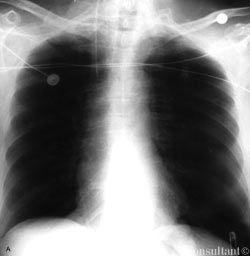
May 1st 2003ABSTRACT: Recent studies, although suggestive, do not yet support the routine use of angiotensin II receptor blockers in combination with angiotensin-converting enzyme (ACE) inhibitors in patients with congestive heart failure (CHF). For CHF patients in normal sinus rhythm, consider digoxin when a regimen of diuretics, ACE inhibitors, and β-blockers at optimal dosages does not relieve symptoms completely. Anticoagulation may be warranted in CHF patients with atrial fibrillation, previous embolic events, severely reduced systolic performance, or potential chamber clots. β-Blockers are indicated for patients with mild to severe CHF, unless there is a specific contraindication, and therapy should be initiated once euvolemia has been achieved. Avoid NSAIDs and cyclooxygenase-2 inhibitors in patients with CHF because the prostaglandin-blocking properties of these agents may promote fluid retention.
Older Woman With Worsening Weakness, Dyspnea on Exertion, and Syncope
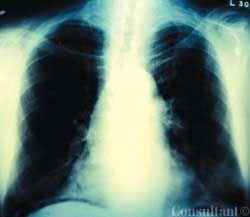
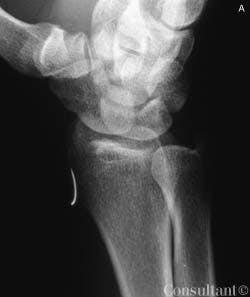
January 2nd 2003A 76-year-old woman is admitted to the hospital for increasing fatigue and weaknessthat began about 3 weeks earlier. Her symptoms have worsened duringthe past week to the point of profound weakness and both dyspnea and nearsyncopewith minimal exertion.
Atypical Hypertensive Hemorrhage: Follow the Classic Symptom
January 2nd 2003In their case report, “Sudden Headache in a Woman With Hypertension” (CONSULTANT,July 2002, page 1049), Drs Gary Quick and Maggie Law describe apatient with uncharacteristically severe headache and very high blood pressure.
Noninvasive Cardiac Stress Testing:
January 1st 2003Cardiac stress imaging has become increasingly sophisticated; nevertheless, standard exercise electrocardiography can provide valuable clinical information, such as time to onset of angina or ST-segment depression, maximal heart rate and blood pressure response, and total exercise duration. Pharmacologic stress agents may be substituted for patients who cannot exercise on a treadmill; however, these agents must be used in conjunction with echocardiography or nuclear scintigraphy to obtain adequate diagnostic information.
Primary Pulmonary Tuberculosis: An Uncommon Presentation
December 1st 2002A 53-year-old man has hadmalaise, intermittent cough, and occasionalfever and night sweats for 2weeks. He has also lost some weightduring this time but denies hemoptysisand sputum production; he hasnot traveled abroad recently. His onlysignificant medical condition is hypertension,which is well controlled withmedication.
Ocular Hypertension: When to Treat?
November 1st 2002Glaucoma isthe leadingcause ofblindness inthe UnitedStates.1Nearly 3 millionpersons have the disease,and about 100,000 newcases are diagnosed eachyear.1 Between 3 and 6 millionAmericans are thoughtto be at increased risk forglaucoma because of elevatedintraocular pressure(IOP).2
What Is the Cause of Macrocytosis and Dyspnea in an Older Man?
November 1st 2002A 78-year-old man presented to theemergency department with a 3-weekhistory of progressive shortness of breathand cough with blood-streaked, yellowishsputum. The patient had dyspnea onexertion limited to 2 blocks, 2-pilloworthopnea, paroxysmal nocturnal dyspnea,and nocturia. Neither fever norchills were present. He had lost 7.2 kg(16 lb) during the last year.
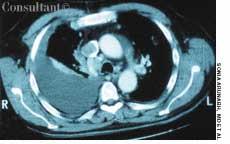
Superior Vena Cava Thrombosis Caused by Malignancies
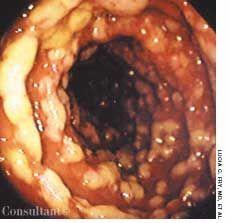
September 15th 2002A 64-year-old woman with a history of diabetes, hypertension, and lymphoma was admitted to the hospital with a dull headache, conjunctival congestion, and slight dyspnea. Her pulse rate was 96 beats per minute; blood pressure, 146/68 mm Hg; and respiration rate, 22 breaths per minute. She also had increased jugular venous distention; cardiovascular and chest examination findings were normal. Edema of both arms and dilated blood vessels on the anterior chest wall were noted.
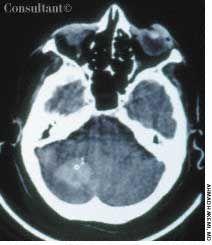
Cerebellar Hemorrhage in a 65-Year-Old Woman
September 1st 2002A 65-year-old woman with a long history of hypertension treated with metoprolol and felodipine complained of dizziness, headache, nausea, and vomiting of acute onset. Her blood pressure was 220/110 mm Hg. She was drowsy and unable to stand or walk.

